
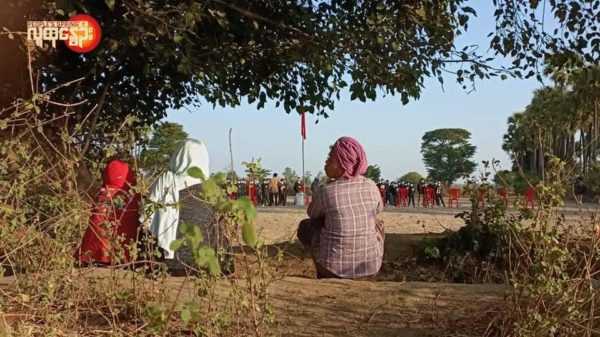



▪︎ marking fourth town capture in a month
People’s Spring
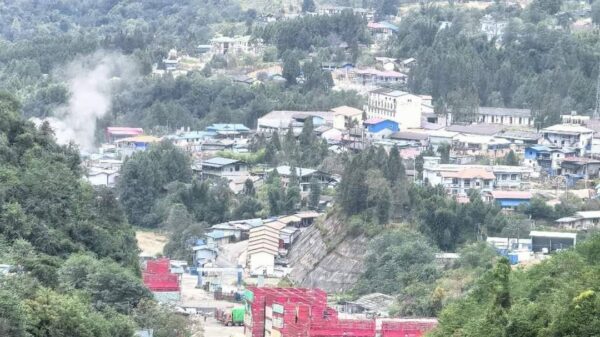
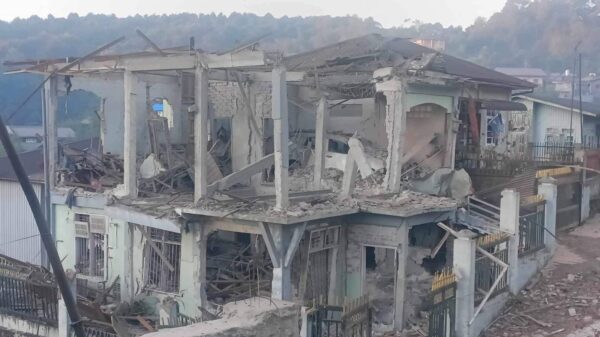
The Kachin Independence Army (KIA) captured Hpimaw, a small town on the China-Myanmar border, just three days before the coup Military Council leader’s trip to China.
Hpimaw, located in Kachin State, is about 87 miles from Myitkyina, the state capital.
Within a month, the Kachin Independence Army (KIA) captured four towns on the China-Myanmar border: Chipwi, Tsawlaw, Pang War, and most recently, Hpimaw.

Public Service Announcement
KIA Information Officer Colonel Naw Bu confirmed to People’s Spring that Hpimaw came under KIA control on the evening of 2 November.
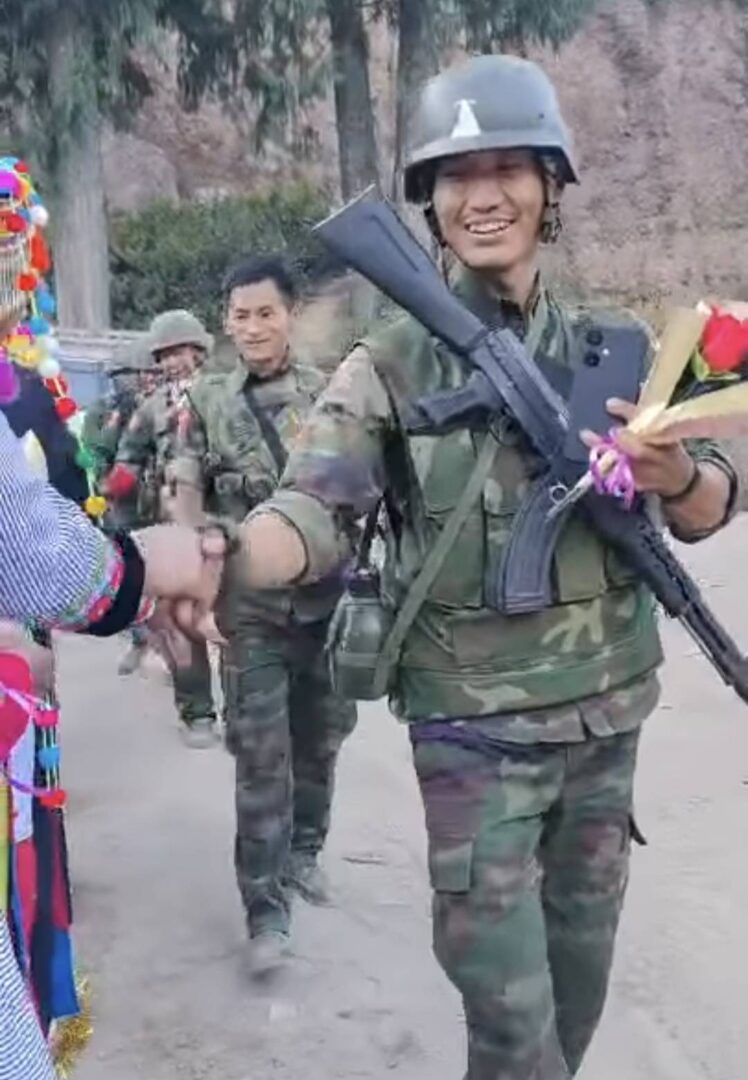
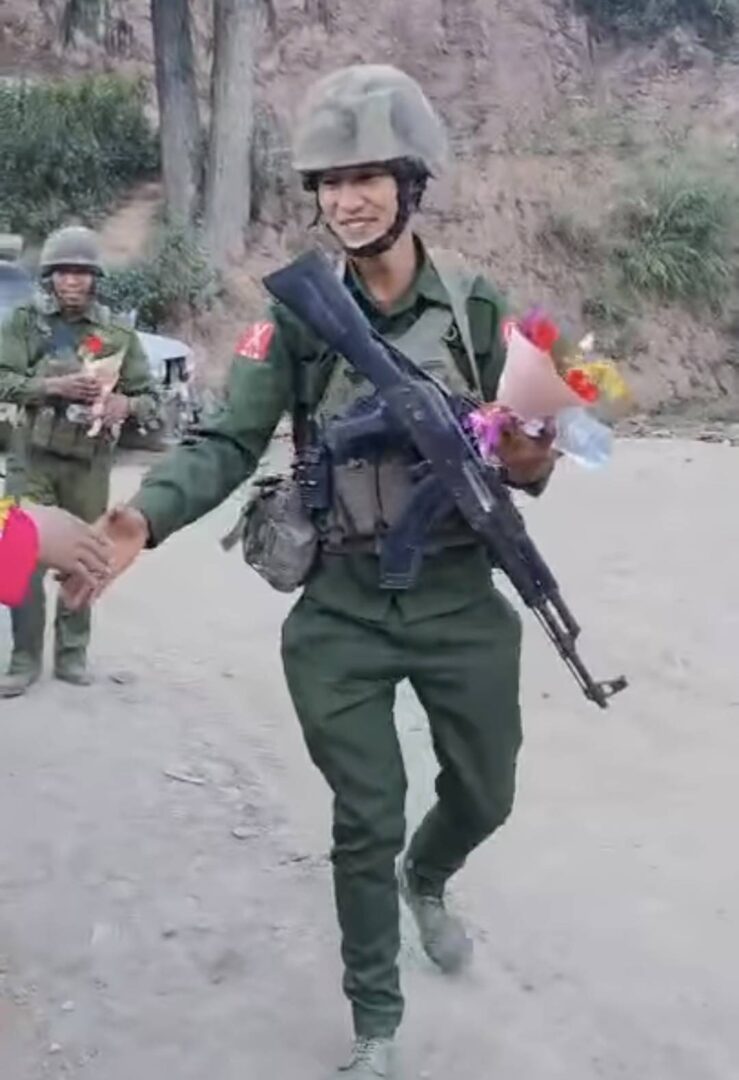
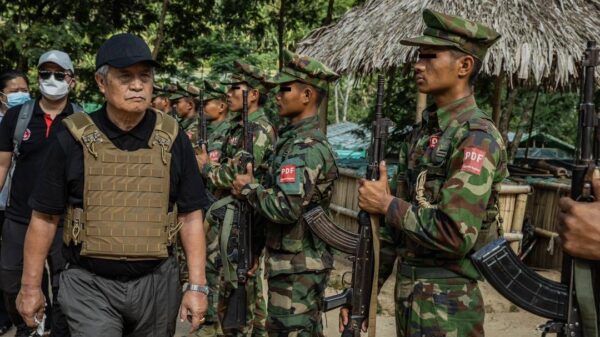
“In Hpimaw, only militia and the Kachin Border Guard Force (BGF), both aligned with the Military Council, were deployed, but no coup regime troops. Since the BGF troops are fellow Kachin like us, they put up only moderate resistance and surrendered as we advanced,” he said.
After capturing the BGF’s bases and Pang War Town, the KIA advanced toward Hpimaw, where the BGF and militia offered only moderate resistance before surrendering, allowing the KIA to seize the town more easily than expected.
The entire Kachin Special Region 1, previously controlled by the Kachin BGF—originally the New Democratic Army – Kachin (NDA-K) led by U Zahkung Ting Ying—is now under the control of the KIA.
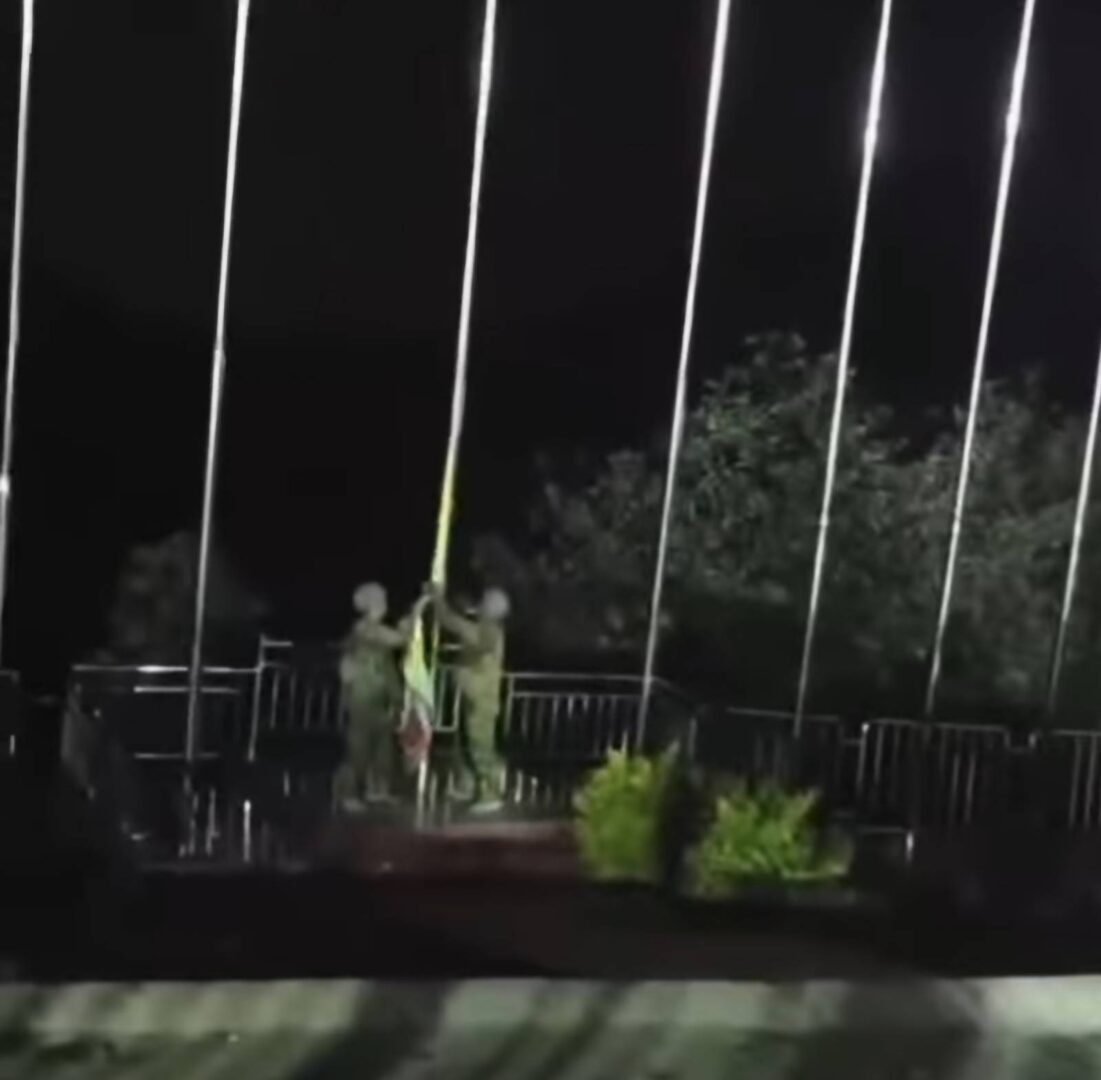
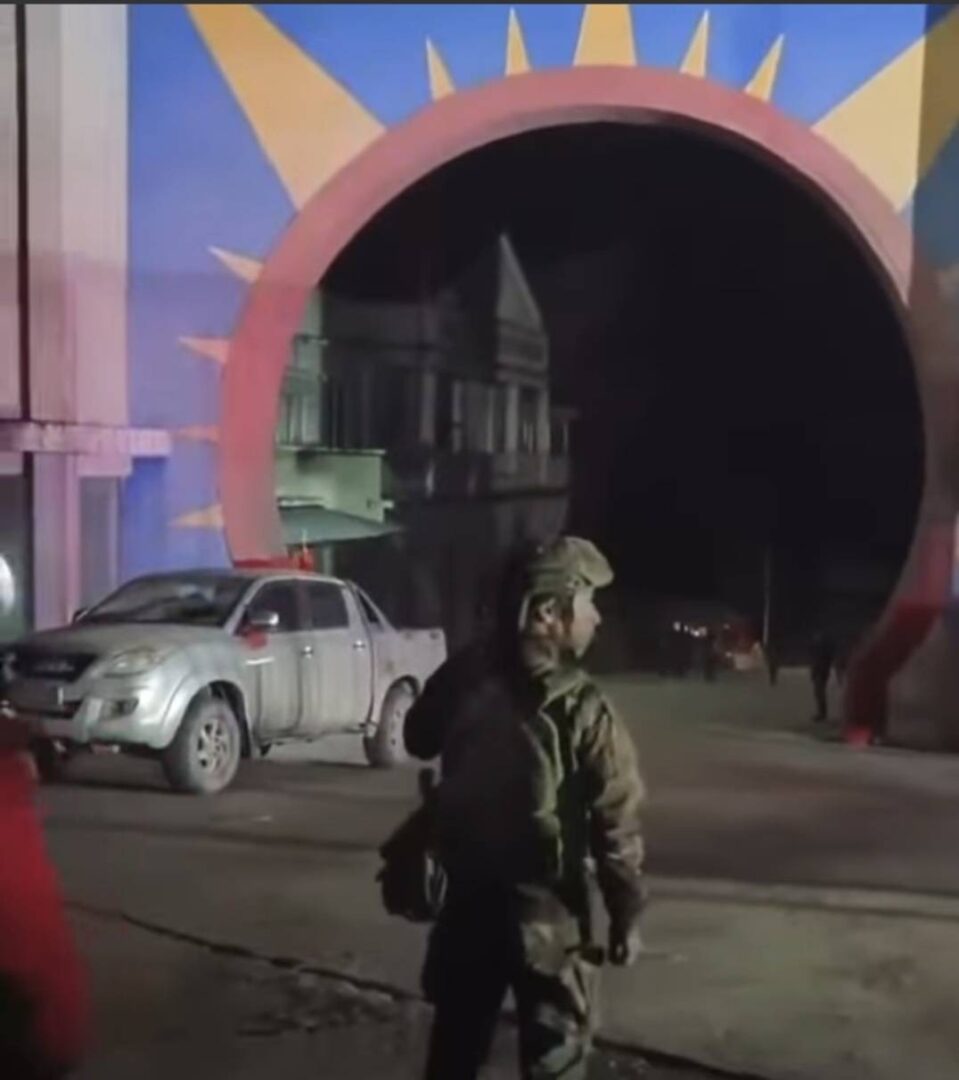
The KIA first took over Sadon Town in the region on 11 June. On 30 September, Chipwi was captured, followed by Tsawlaw on 2 October. Pang War Town was seized on 18 October, and Hpimaw was captured on 2 November. The KIA has also taken control of the headquarters of three BGF battalions—1001, 1002, and 1003—loyal to U Zahkung Ting Ying, along with their allied militia bases.
Almost the entire Kachin Special Region is now under the control of the KIA, with only Kan Paik Ti Town and the small town of Langsae yet to be taken over.
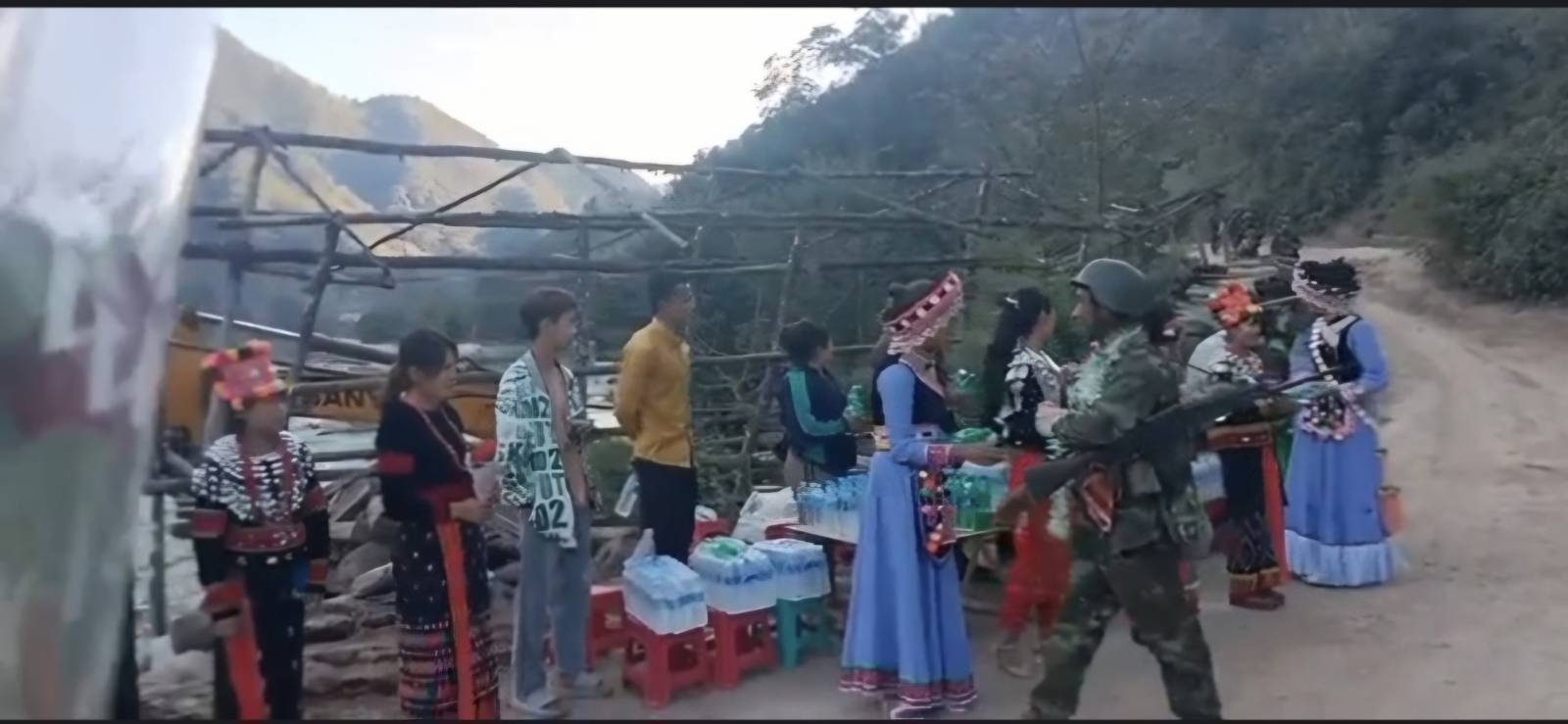
Furthermore, the KIA-led coalition captured Kanhpan Village, northeast of Hpimaw Town, on the evening of 4 November. In a special gesture, the local people welcomed the KIA troops with flowers.
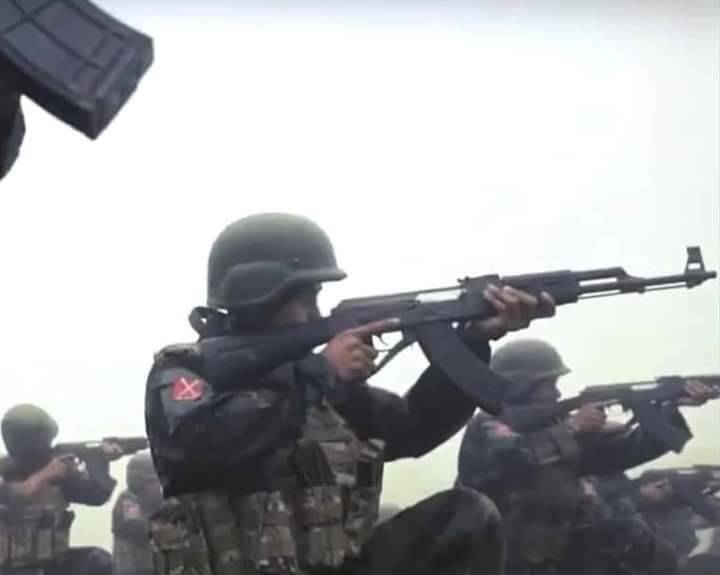
“In that area, the militia and the BGF were previously deployed, but they have all surrendered, and defected to our coalition now. There are no more clashes, and gunshots are no longer heard. Once they understood that we are all part of the same ethnic group, they joined us. The people are happy and welcomed us warmly,” Colonel Naw Bu said.
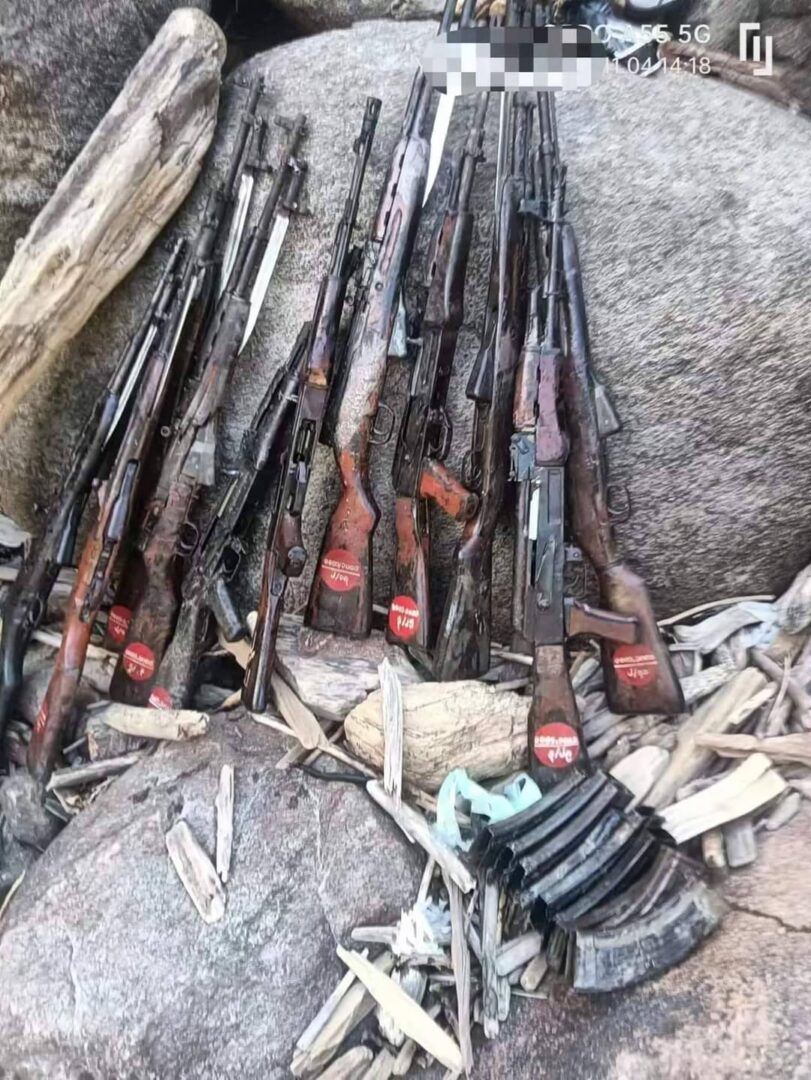
The local people themselves urged the BGF and militia members to surrender without resistance as the KIA-led coalition advanced. The BGF seized more than 100 weapons from these troops, some locals reported.
Hpimaw was one of the three villages agreed to be handed over to China under the Parliamentary Democracy government led by former Prime Minister U Nu. After discussions between U Nu and Chinese Premier Zhou Enlai on the border dispute, Myanmar ceded the villages of Hpimaw, Gawlam, and Kangfan to China. However, the villagers of Hpimaw did not settle in Chinese territory; they relocated back to the Myanmar side and established a new village, which later became Hpimaw Town.
For the coup leader, the loss of Hpimaw, with its historic ties to China, came just three days before his trip to China. Similarly, Kangfan Village, where the residents of the original Kangfan village—ceded to China during the U Nu government—relocated to the Myanmar side and established as new settlement, was also seized by the KIA on 4 November.
Coup leader Senior General Min Aung Hlaing is visiting China for the first time since orchestrating the February 2021 coup. He will attend the 8th Greater Mekong Subregion (GMS) Summit, set to be held in Kunming City, located in southwest China’s Yunnan Province.
Since the KIA began taking over border towns in Kachin Special Region 1, China has halted border trade. Chinese authorities have now further restricted the local people in Hpimaw Town, banning them from carrying goods across the border for small-scale trade.
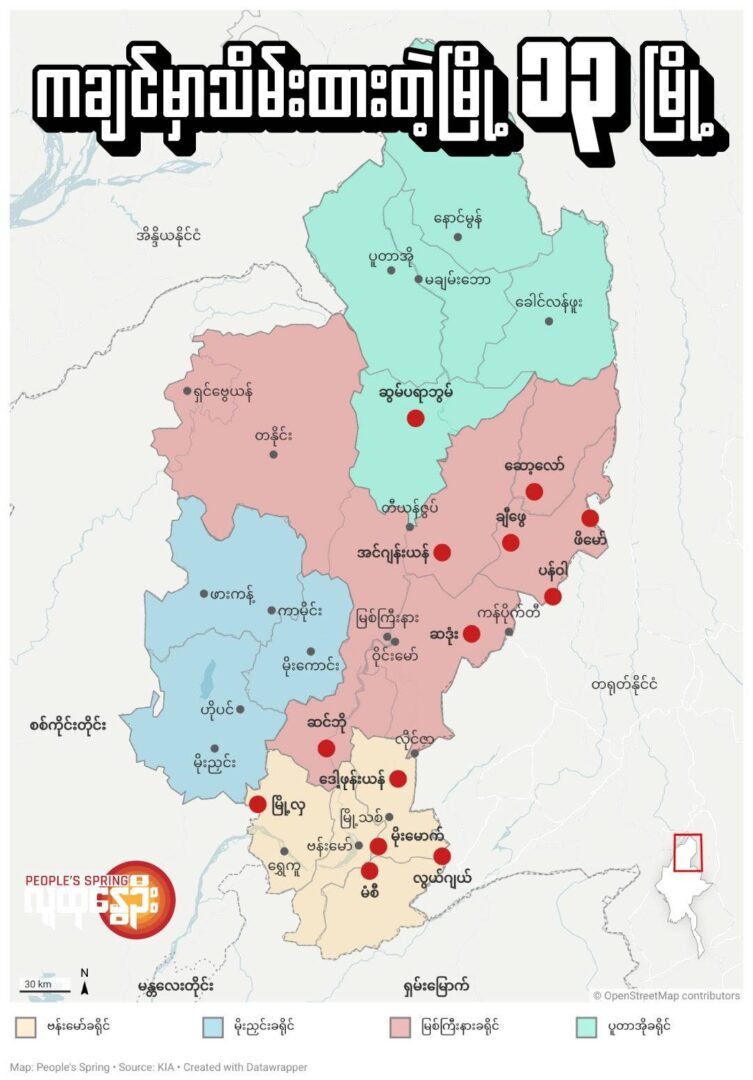
The KIA has now taken control of 13 towns in Kachin State and also controls Mabein Town in Shan State.